
 Perion (soon)
 NUMANumismatics platform
 Bark-AITurn data into profitEmotions AIAI & real-time visualization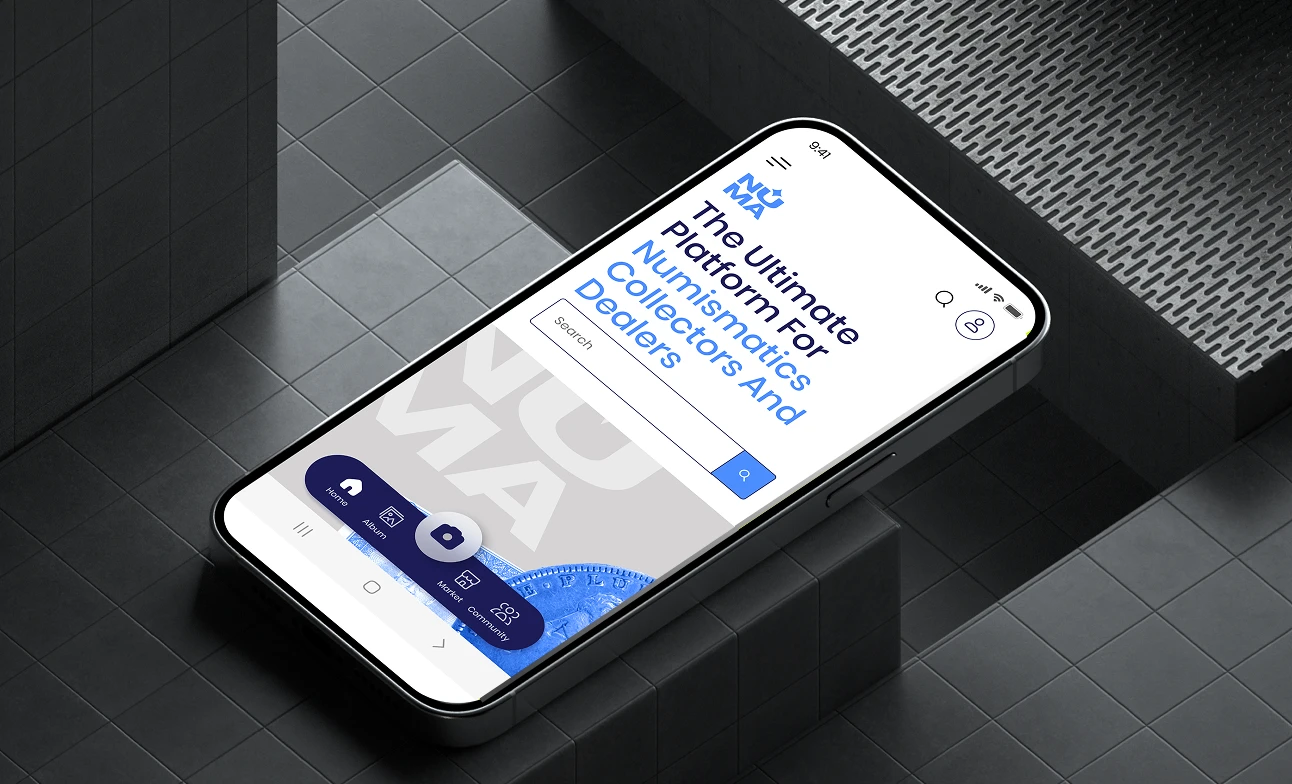
 Digital heritage
NUMA
From Cultural Symbols to Digital Knowledge Systems


Digitizing Heritage & Cultural Collections
NUMA / THE PROJECT
Digitizing Heritage & Cultural Collections
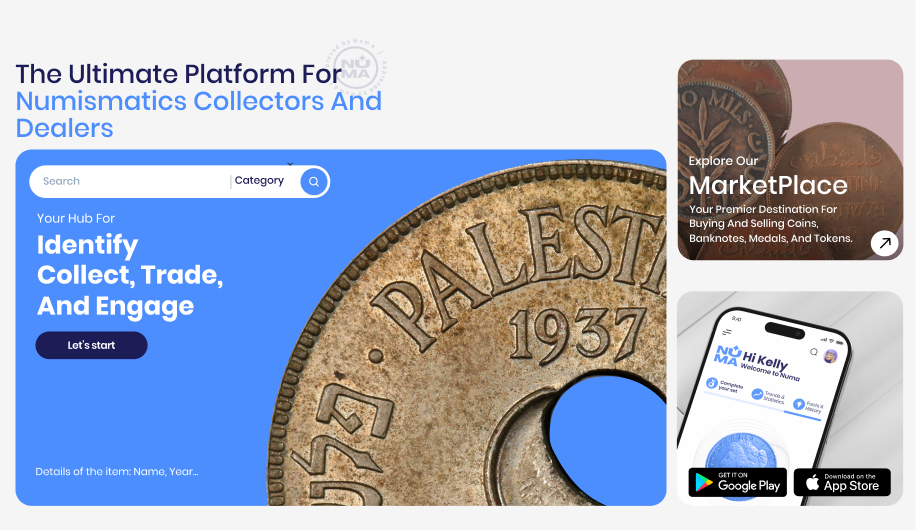
Banknotes and historical artifacts are far more than financial units—they are dense design pieces encapsulating national narratives, geopolitical history, and visual heritage. the objective was to translate a complex, knowledge-rich physical domain into an intuitive, accessible digital platform without losing its cultural and aesthetic depth.
01 / THE CHALLENGE
Designing for
Familiar Habits
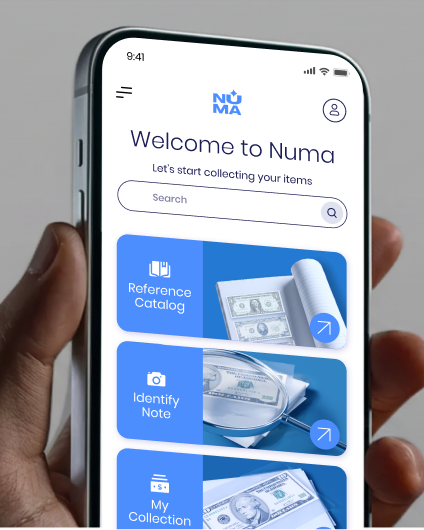
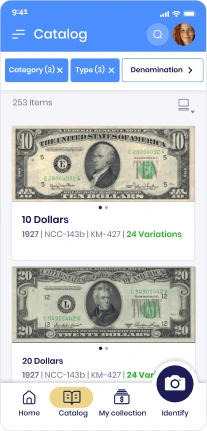
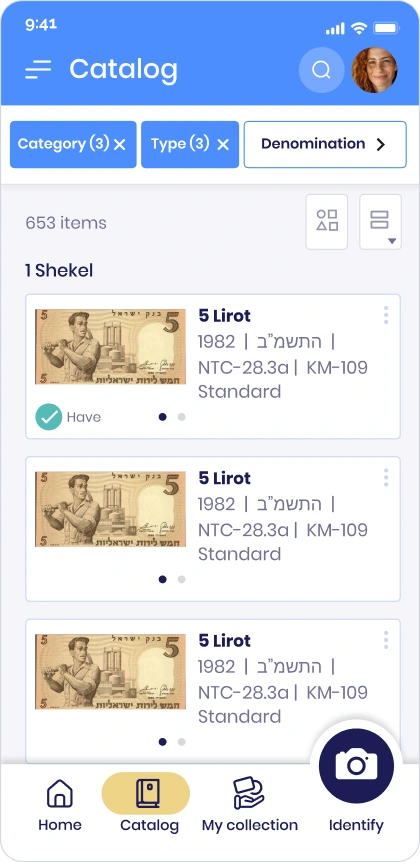
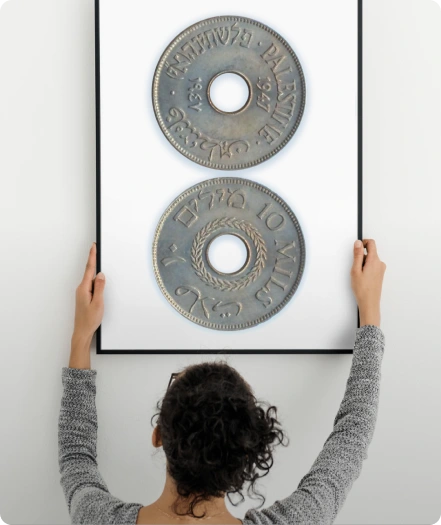
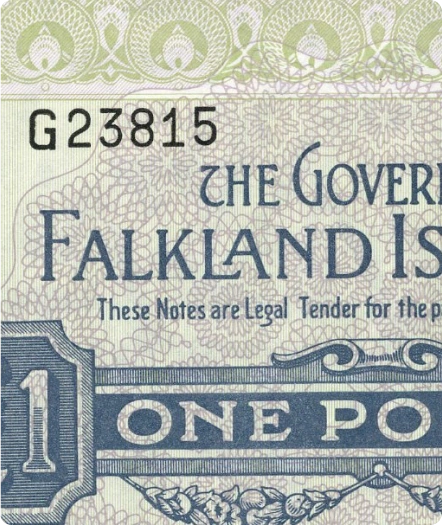
The challenge was not simply technical. Experienced collectors rely on catalogs and familiar workflows, often with one clear goal: completing a series. Instead of presenting a simple list of items, NUMA uses a catalog-based view that shows what has already been collected and what is still missing—translating a familiar practice into a clear digital experience.
02 / Research-Informed Structure
From Catalogs to Digital Flow
Research showed that collectors think in catalog logic. NUMA translated that structure into a digital experience. Multiple display scales allow users to view a single item or an entire series, compare their personal collection with the full catalog, and quickly see what is missing. This made completion, comparison, and planning part of the digital flow, instead of working around it.
03 /
Building Confidence in High Value Identification
TrustTrust was central from the beginning. Collectible items can range in value from a few dollars to tens of thousands, making accuracy and credibility essential.
A fast identification result was not enough. The experience needed to feel grounded, transparent, and connected to established numismatic knowledge. Clear interactions, familiar catalog structures, and detailed object information helped users understand the result and approach it with greater confidence.
The same foundation could later support more advanced capabilities, including AI-assisted grading, defect detection, historical pricing, and market-trend analysis.
04 /
Making Complexity Navigable
AccessibilityDesigned for collectors with varying levels of digital confidence, NUMA uses simple navigation, familiar terminology, and intuitive interactions. Identification, catalog browsing, and collection management come together in one clear and accessible experience.
05 /
Research Foundations
ResearchThe project combined user research with some of the leading collectors and market research into existing numismatic tools and services. These insights revealed collectors’ habits, needs, and expectations—and shaped the product’s structure, features, and visual language.
NUMA / LOOKING AHEAD
Future Possibilities
These directions were explored through research, concepts, and early sketches, but were not part of the released product.
 Explored concept
AI-Assisted Assessment
Future concepts explored identifying defects such as stains, folds, holes, tears, and surface damage. These signals could support a more structured and transparent approach to condition assessment and grading.
 Explored concept
Market Intelligence
Historical pricing, comparable sales, and market trends could help collectors understand how value changes over time and make more informed decisions about their collections.
 Explored concept
Connected Collecting
Wish lists and items offered for sale could be matched through verified catalog references—helping collectors discover missing items and connect with relevant sellers.
